Lyophilized Peptide Storage and Handling Basics (Lab Use)
Lyophilized peptide storage requires careful control of moisture, heat, light, contamination, and repeated temperature changes. Although freeze-drying can improve material stability, it does not make research peptides immune to degradation or improper handling.
This article presents seven essential laboratory-handling principles. Always follow the product label, batch documentation, safety data, and storage conditions applicable to the specific research material.
Lyophilized Peptide Storage: Quick Answer
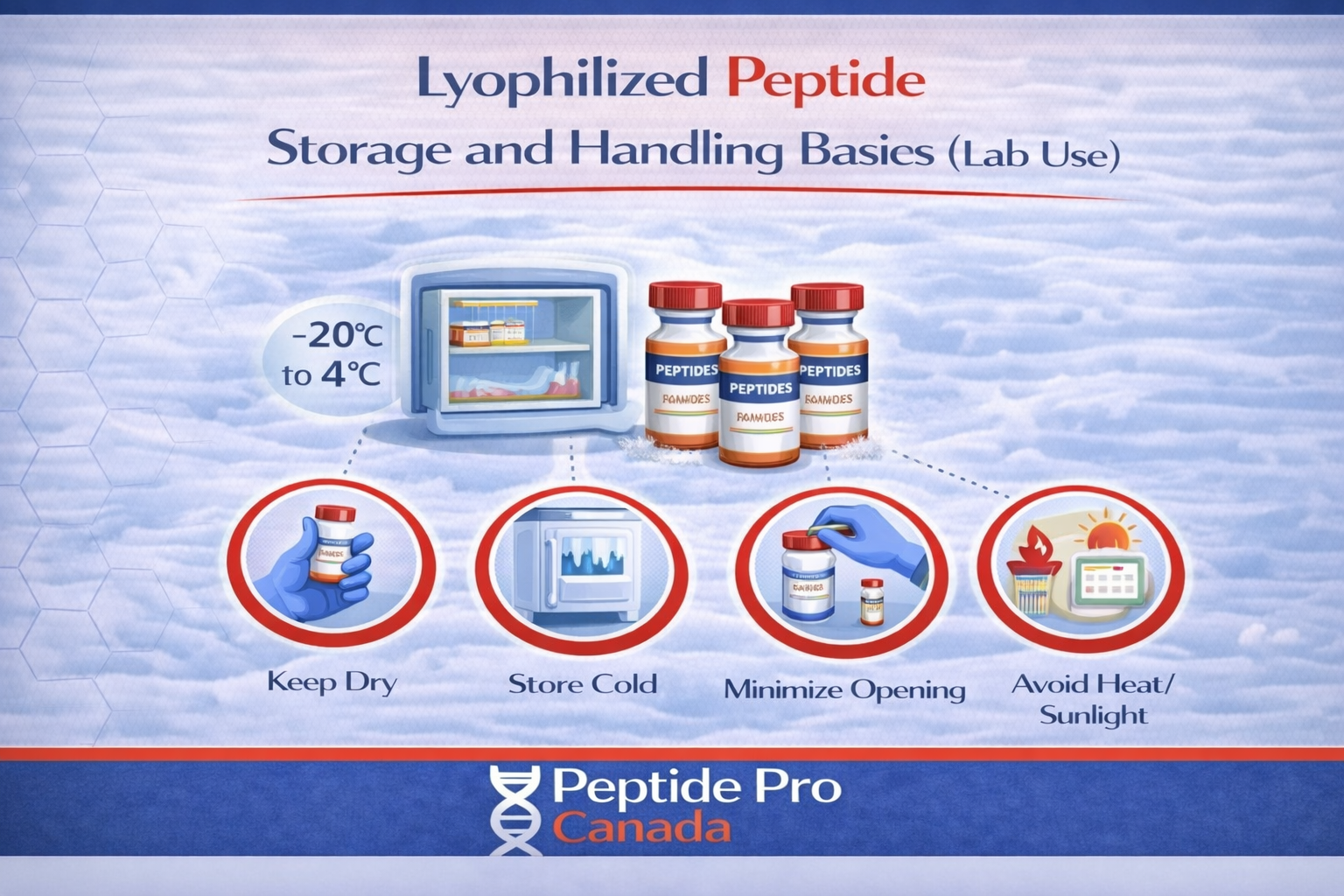
- Follow documented storage conditions: Requirements vary between compounds and formulations.
- Keep the material dry: Moisture and condensation may affect material stability.
- Limit heat exposure: Keep samples away from sunlight, heaters, vehicles, and other uncontrolled heat sources.
- Reduce temperature cycling: Repeated movement between cold and warm environments can introduce condensation.
- Protect against light: Some materials may be sensitive to ultraviolet or visible light.
- Prevent contamination: Use clean, dry laboratory handling practices.
- Maintain traceability: Keep each vial connected to its corresponding batch documentation.
What Does “Lyophilized” Mean?
Lyophilization is a controlled freeze-drying process that removes water from a material. The resulting material may appear as a dry cake, powder, film, or residue inside a sealed vial.
Reducing water content can improve stability during storage and transportation. However, lyophilization does not prevent every form of chemical degradation or physical change.
The appropriate storage conditions depend on several factors, including:
- The specific compound
- The formulation and excipients
- The container and closure system
- The material’s sensitivity to moisture or light
- The available stability information
- The expected storage duration
7 Essential Lyophilized Peptide Storage Rules
1. Follow the Documented Storage Conditions
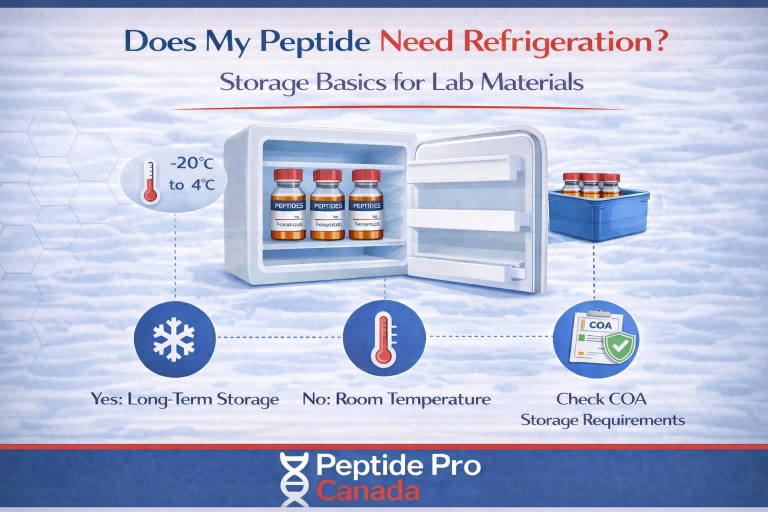
No single temperature or storage method is appropriate for every research material. Researchers should review the product label and available technical documentation before assigning storage conditions.
Do not assume that the coldest available storage option is automatically the best choice. Compound-specific documentation should take priority over generalized advice.
2. Protect the Material From Moisture
Lyophilized materials are intended to remain dry until required for an appropriate laboratory procedure. Moisture may enter through damaged packaging, an improperly sealed closure, unsuitable storage conditions, or condensation during handling.
Condensation can occur when a cold vial is exposed to warmer, humid air. Laboratory procedures should therefore be designed to minimize unnecessary moisture exposure.
When examining a vial, also inspect its closure for visible damage, looseness, or signs that the seal may have been compromised.
3. Limit Unnecessary Heat Exposure
Elevated temperatures may accelerate chemical degradation. Samples should be kept away from:
- Direct sunlight
- Parked vehicles
- Windows and warm loading areas
- Heaters and heating vents
- Uncontrolled work surfaces
- Laboratory equipment that produces heat
A brief period outside cold storage does not automatically establish that a material has degraded. The effect depends on the compound, temperature, duration, packaging, formulation, and available stability data.
4. Limit Direct Light Exposure
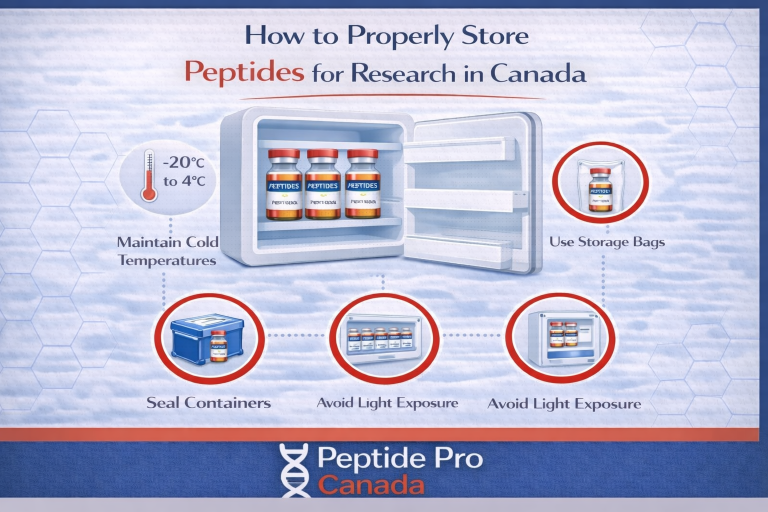
Some compounds are sensitive to ultraviolet or visible light. When a material’s light sensitivity is unknown, limiting unnecessary exposure and using appropriate protective storage is a reasonable laboratory precaution.
Do not leave vials exposed to direct sunlight or strong laboratory lighting for longer than required.
5. Reduce Repeated Temperature Cycling
Repeated movement between cold and warm environments may expose samples to temperature stress and increase the possibility of condensation.
Plan laboratory work before removing material from storage. Organizing samples, documentation, equipment, and workspace in advance can reduce unnecessary storage transitions.
6. Protect the Sample From Contamination
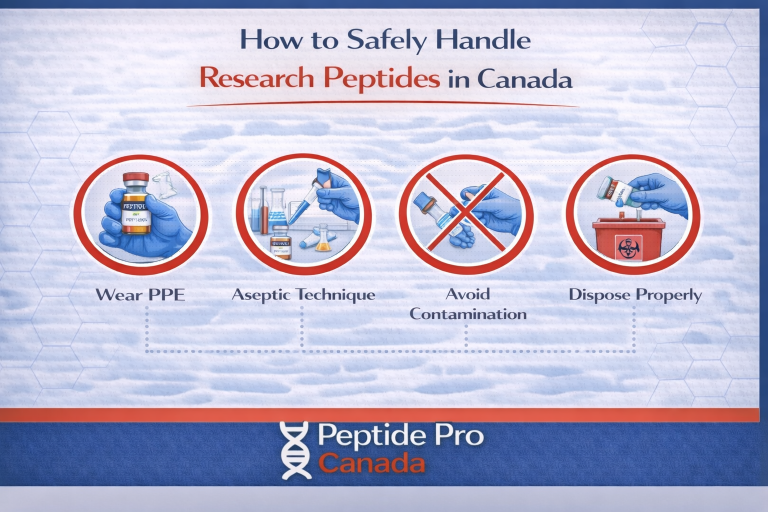
Improper handling can introduce moisture, particles, residues, or other contaminants. Vials should be handled in a clean, dry, controlled laboratory environment using procedures appropriate to the intended analytical work.
General contamination-control practices include:
- Keeping the vial sealed until it is required
- Using a clean and dry workspace
- Avoiding contact with wet or contaminated surfaces
- Inspecting the vial and closure before use
- Preventing unrelated materials from contacting the container
7. Maintain Batch Traceability
Proper lyophilized peptide storage includes documentation as well as physical handling. Researchers should be able to connect each vial to the correct lot, batch, Certificate of Analysis, and storage history.
Do not assume that a report from another batch represents the material currently being studied.
Inspect the Vial and Container Closure
A cracked vial, loose closure, damaged crimp, or compromised seal may affect the integrity of the material. Do not use a visibly damaged container in research.
Before placing a received vial into storage, check for:
- Cracks, chips, or other glass damage
- A loose or visibly damaged crimp
- A displaced or compromised stopper
- Moisture inside a vial expected to contain dry material
- An unreadable or missing product label
- A mismatch between the vial and its batch documentation
If damage is observed, photograph the vial and packaging and contact support before discarding anything.
General Laboratory Handling Principles
- Review the product label and technical documentation before handling.
- Use storage conditions appropriate to the specific material.
- Keep the vial sealed until required for legitimate laboratory work.
- Handle samples in a clean, dry, controlled environment.
- Avoid unnecessary exposure to heat, humidity, and direct light.
- Do not use material from a cracked vial or compromised closure.
- Record the date, storage location, and relevant handling events.
- Keep the product name, batch number, and analytical documentation connected.
Maintaining a Storage Record
A laboratory storage record helps keep observations and analytical results connected to the correct research material. Consider recording:
- Product name and labelled quantity
- Lot or batch number
- Date received
- Condition of the shipment when received
- Storage location and documented conditions
- Dates removed from or returned to storage
- Any unusual temperature or handling event
- Visible packaging or material changes
- The corresponding Certificate of Analysis
Accurate records make it easier to investigate unexpected analytical observations and maintain reproducible laboratory work.
Common Storage and Handling Mistakes
- Leaving vials in vehicles, direct sunlight, or near heat sources
- Opening cold vials in an uncontrolled humid environment
- Moving samples repeatedly between storage temperatures
- Using a vial with a damaged seal or container
- Handling samples on wet or contaminated surfaces
- Separating a vial from its batch documentation
- Applying one storage rule to every material without reviewing compound-specific information
- Assuming that appearance alone establishes material quality
Shipping and Temporary Temperature Exposure
Packages may encounter changing temperatures while moving through a Canadian carrier network. A temporary temperature change does not, by itself, prove that a lyophilized material has degraded.
The significance of an exposure depends on:
- The specific compound and formulation
- The actual temperature
- The duration of the exposure
- The packaging and container closure
- The available stability information
If a shipment arrives visibly damaged, wet, opened, or exposed to unusual conditions, photograph the outer package and contents before discarding anything. Record the delivery time and contact support with the order number, tracking number, photographs, and a description of the concern.
When Further Review Is Required
Contact support or the appropriate laboratory supervisor if you observe:
- A cracked, chipped, or damaged vial
- A loose crimp or compromised closure
- Moisture inside a vial expected to contain dry material
- An unreadable or missing batch label
- An unexpected change in appearance
- A mismatch between the vial and supporting documentation
- Evidence that the shipment was opened or damaged during transportation
Appearance alone cannot establish identity, purity, quantity, or suitability. Appropriate analytical testing is required to characterize a research material.
Frequently Asked Questions
Can lyophilized peptides degrade over time?
Yes. Stability depends on the compound, formulation, packaging, storage conditions, and handling history. Lyophilization can improve stability but does not prevent every form of degradation.
Is freezing always the correct storage method?
No. A single storage condition is not appropriate for every material. Follow the documented requirements for the specific compound instead of assuming colder storage is always better.
Why does condensation matter?
Condensation can introduce moisture to a material intended to remain dry. It may affect material stability, sample handling, and analytical reliability.
Does a warm package automatically mean the material is unusable?
No. Package temperature alone does not establish degradation. The effect depends on the material, temperature, duration, formulation, packaging, and available stability information.
Can appearance confirm peptide purity?
No. Colour, texture, residue, or cake formation cannot confirm identity, purity, or quantity. Those characteristics require appropriate analytical testing.
Should a damaged vial be placed into storage?
Keep it separated from usable laboratory inventory. Photograph the vial, label, closure, and shipping package, then contact support before discarding anything.
Lyophilized Peptide Storage Documentation
Review the batch documentation available on the relevant product page and confirm that the report corresponds to the lot or batch being studied. For help interpreting common analytical terms, read our guide to reading a peptide Certificate of Analysis.
For carrier details and information about reporting a damaged shipment, visit our Shipping and Returns Information page.